
A graphic designer turns information, ideas and communication goals into visual solutions. The finished work might be a brand identity, advertisement, package, poster, publication or digital asset, but creating the final graphic is only part of the job.
Graphic designers also need to understand what a client or project is trying to achieve, choose an appropriate medium, develop concepts and layouts, collaborate with others and coordinate the work through production. Canada's Job Bank lists client consultation, selecting communication media, developing graphic elements, preparing layouts and coordinating production among the occupation's core duties.
So, if you want to understand what a graphic designer actually does, it is more useful to follow a project from brief to finished design than to memorize a list of software.
From Brief to Finished Design: What Does a Graphic Designer Actually Do?
1. Understand the problem
A designer needs more than: “Make us a poster.”
A useful brief needs enough information to understand the communication problem:
- What is the goal?
- Who is the audience?
- What should they understand or do?
- Where will they encounter the design?
- What formats are required?
- What constraints already exist?
The answers change the design.A poster that needs to be understood from across a hallway has a different hierarchy problem from a social post viewed on a phone.
This is one reason graphic design is not simply decoration. The designer has to decide what the audience needs to notice and how the visual treatment can help communicate it.
2. Develop a visual direction
Before a finished layout exists, a designer may research the project, collect references, sketch possibilities, build mood boards and explore several concepts.
Typography, imagery, colour and composition are important, but they come after a more fundamental question:
What visual idea best communicates this message to this audience?
Knowing how to operate Illustrator, Photoshop or Figma helps you execute the answer. It does not answer the question for you.
3. Build the design
Once a direction is established, the concept becomes a visual system.
Depending on the project, that might involve:
- Typography
- Visual hierarchy
- Layout
- Colour
- Imagery
- Scale
- Spacing
- Composition
The medium changes the constraints.
Packaging has to work on a physical object. A campaign may need one concept to remain recognizable across posters, social media and digital ads. Publication design has to manage longer-form information across multiple pages.
The designer's job is not simply to make each individual asset attractive. The pieces need to work together.
4. Explain the decisions
Professional graphic design also involves being able to answer: Why?
Why is this information more prominent? Why this visual direction? Why this typeface? Why does the layout change in a smaller format?
A useful design rationale connects a visual choice back to the audience, message, brand, medium or objective. “I thought it looked better” is much harder to defend.
5. Respond to critique and revise
The first design is rarely the last one. Clients, creative directors, marketers and collaborators may question the work, introduce new information or request changes.
Good revision does not mean automatically accepting every suggestion. It means understanding what problem the feedback is pointing to, deciding what needs to change and improving the work without losing sight of the original objective.
That makes receiving, interpreting and responding to critique part of the design process—not something that happens after the “real” design work is finished.
6. Prepare the work for production
A design can look polished on one screen and still fail when it reaches its actual medium.
A designer may need to check:
- Dimensions
- Image quality
- Readability
- Colour preparation
- File formats
- Final copy
- Production specifications
- Handoff requirements
Job Bank specifically includes preparing layouts and coordinating production for print, audiovisual and electronic materials among graphic designers' duties.
A design is not finished just because the working file looks good. It has to work where people will actually see and use it.
How Do You Know if a Graphic Design Actually Works?
“Does it look good?” is not a strong enough test. A more useful way to critique graphic design is to ask six questions:
| Test | Question |
|---|---|
| Clarity | Can the audience understand the main message? |
| Hierarchy | Does the eye reach important information in the intended order? |
| Audience fit | Does the visual language make sense for the people seeing it? |
| Purpose | Does the design solve the original brief? |
| Consistency | Do typography, imagery, colour and layout behave as one visual system? |
| Production fitness | Does the design still work in its actual format? |
A visually impressive design can still fail. If a poster hides the event date, the hierarchy failed. If packaging looks beautiful on a large mockup but important copy becomes unreadable when printed at actual size, the production failed.
If an advertisement looks polished but communicates the wrong message to its intended audience, aesthetics have not solved the problem.
That is an important distinction for someone learning graphic design: You are not only learning how to make visual decisions. You are learning how to judge whether those decisions worked.
Inside a VFS Design Project: From First Concept to Final Version
What does it actually look like when a design student takes a project from a client brief to a finished campaign?
For VFS Digital Design students, the answer goes well beyond opening a design program and creating something that looks good. A successful project starts with understanding the problem, identifying the audience, developing a visual and messaging strategy, and then applying that thinking across the formats a real client needs.
A recent client project for PLAN, a Vancouver-based nonprofit supporting families caring for loved ones with disabilities, gave VFS students the opportunity to put that process into practice.
Starting with the Brief
PLAN has spent more than 30 years helping people with disabilities and their families build meaningful relationships, find support, and create brighter futures. Its work focuses on long-term relationships, belonging, and future planning - not simply providing services.
For the student team, that meant creating an awareness campaign capable of reaching families before they found themselves in a moment of crisis.
The campaign identified its primary audience as families supporting loved ones with disabilities who needed accessible guidance, community support, and reliable resources. A secondary audience included caregivers, extended family members, friends, and others who might help connect families with PLAN's resources and services.
The team also established measurable campaign goals: increasing social media reach and engagement by 40% within two months, increasing website visits by 30% within four months, and increasing early-support inquiries by 25% within 12 months. The campaign also aimed to increase engagement from rural and remote communities across BC.
That strategic foundation led to the campaign concept:
“Connected Through Care”
The idea centred on one of PLAN's core beliefs: families are stronger when they are connected.
The campaign materials communicate that when families connect with a caring community, they can move forward with greater confidence, support, and peace of mind. The messaging positions PLAN as a source of relationships, resources, mentoring, community participation, and long-term support networks.
Rather than designing a single piece of promotional material, the students developed a system that could work across multiple communications channels.
From Campaign Idea to Real-World Applications
The final project included social media content, reusable social templates, email marketing materials, a newsletter banner, a brochure, a flyer template, and a style guide explaining how the system could be used.
That range of deliverables is an important part of the project. A visual identity that works beautifully in one format isn't necessarily successful when it moves to an email, social post, or printed piece.
The students therefore had to consider how the campaign's messaging and visual language could remain recognizable and effective across different touchpoints.
The flyer template, for example, brings the campaign's central message - “Connecting Families Through Care” - into a practical piece of communication. It provides space for supporting information while directing audiences to PLAN's website and key resources, including its RDSP and Disability Planning Helpline and workshops and courses.
Designing for the Audience
The project also demonstrates why design is about more than aesthetics. PLAN's audience may be looking for support during an uncertain or difficult period. The campaign therefore needed to make information approachable while communicating a sense of connection, confidence, and trust.
The final campaign emphasizes PLAN's identity as an organization “founded by families, for families” and reinforces the idea that families can build support networks designed to last a lifetime.
The campaign's concluding message captures the strategic thinking behind the work: Families shouldn't have to find PLAN in a moment of crisis.
By increasing visibility across key touchpoints, the campaign was designed to help caregivers discover support earlier and prepare with greater confidence for the future.
From Student Project to Client Work
Projects like this give Digital Design students an opportunity to experience the realities of professional design work: interpreting a brief, understanding an audience, building a cohesive visual system, creating work for multiple formats, and delivering materials that a real organization can use.
And importantly, the goal isn't simply to demonstrate proficiency with design software. It's to understand why a design decision works - and how strategy, communication, audience needs, and visual execution come together to solve a real problem.
The PLAN project ultimately became more than a collection of individual design pieces. Through its campaign system, the students created a consistent way for the organization to communicate its message across social, digital, email, and print.
Most importantly, they translated a central idea - connection can help families prepare for the future - into a practical communications campaign designed to help people find that connection sooner.
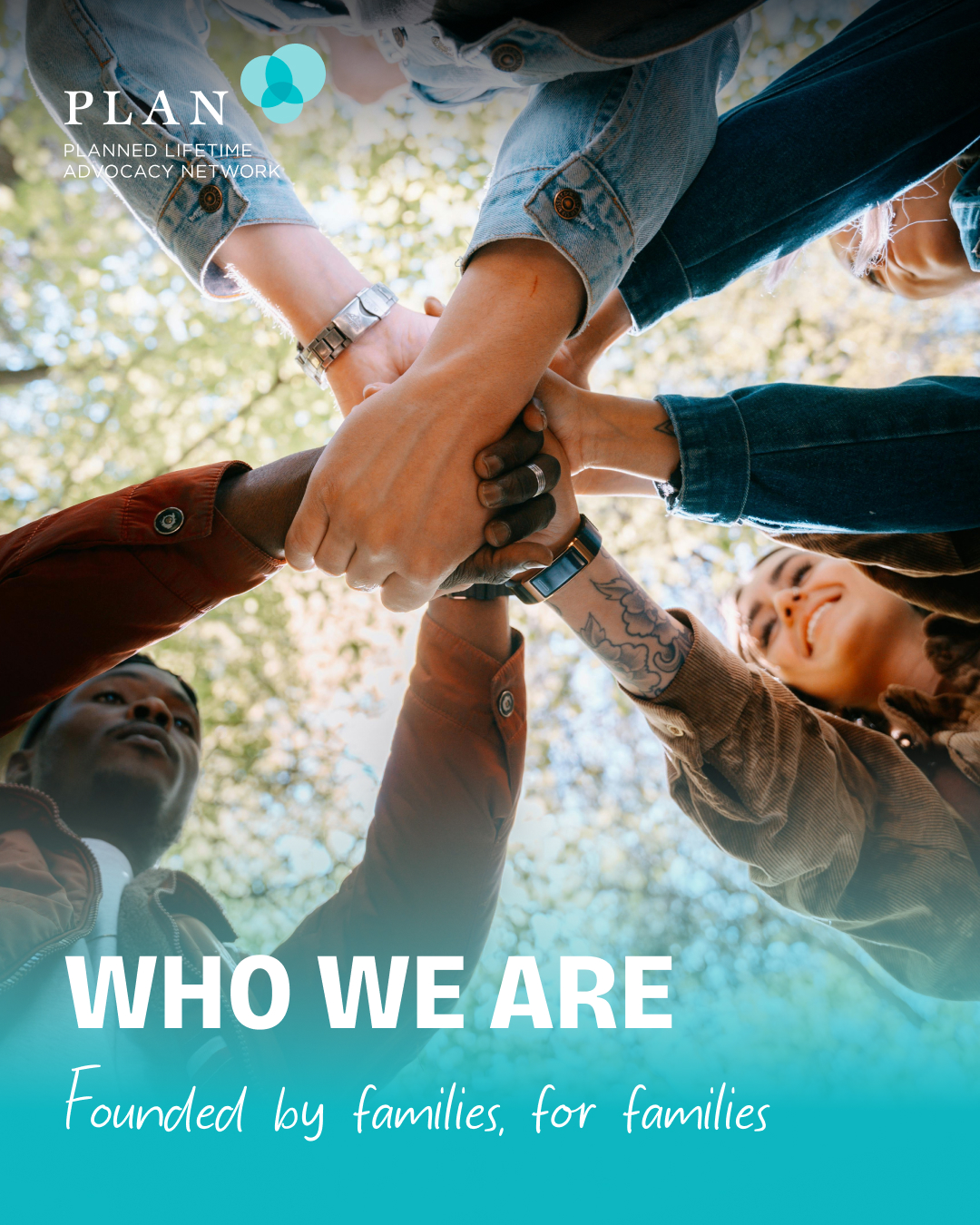 The finished product, created by VFS Digital Design students, outlines PLAN’s identity, mission, services, and more.
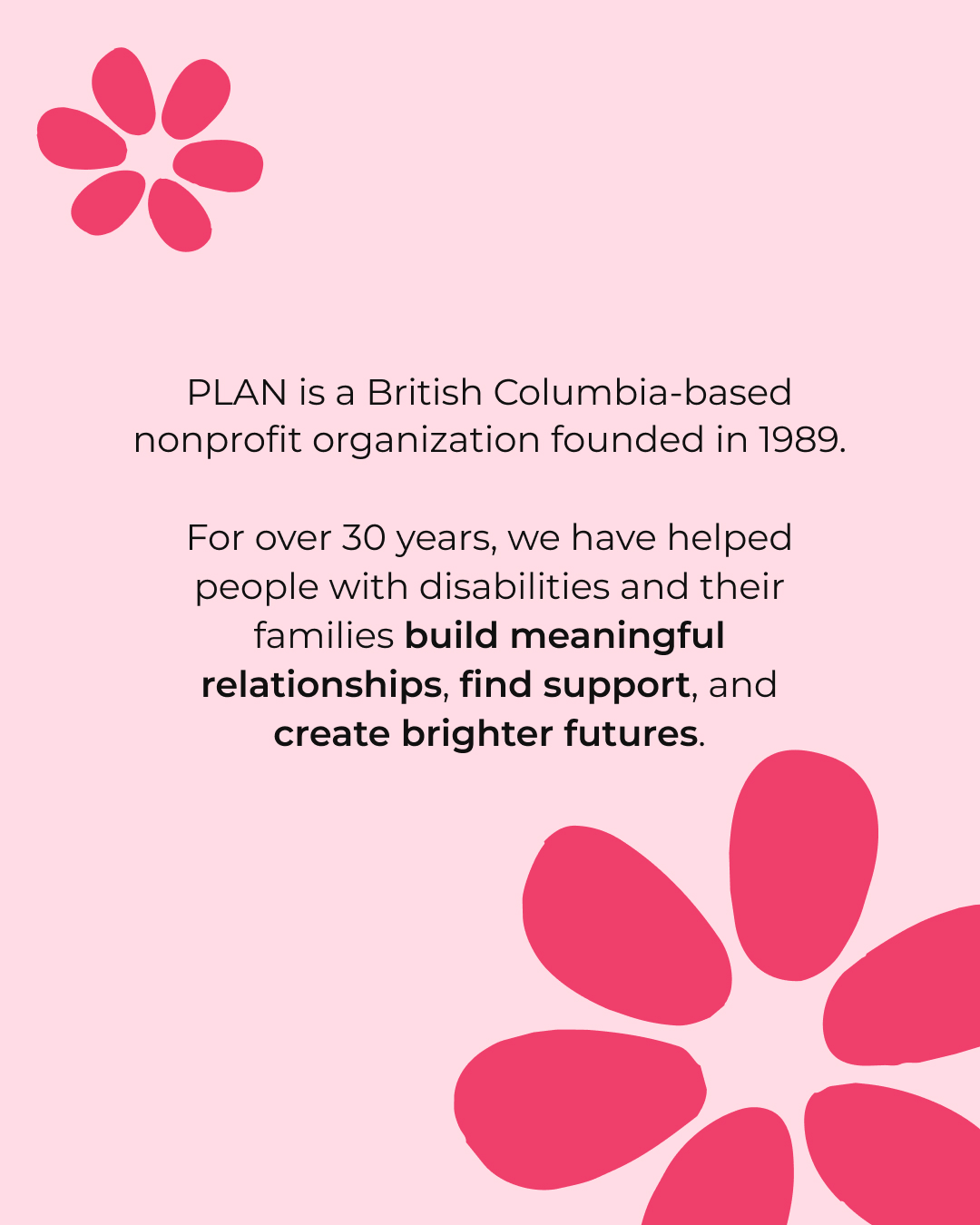 The finished product, created by VFS Digital Design students, outlines PLAN’s identity, mission, services, and more.
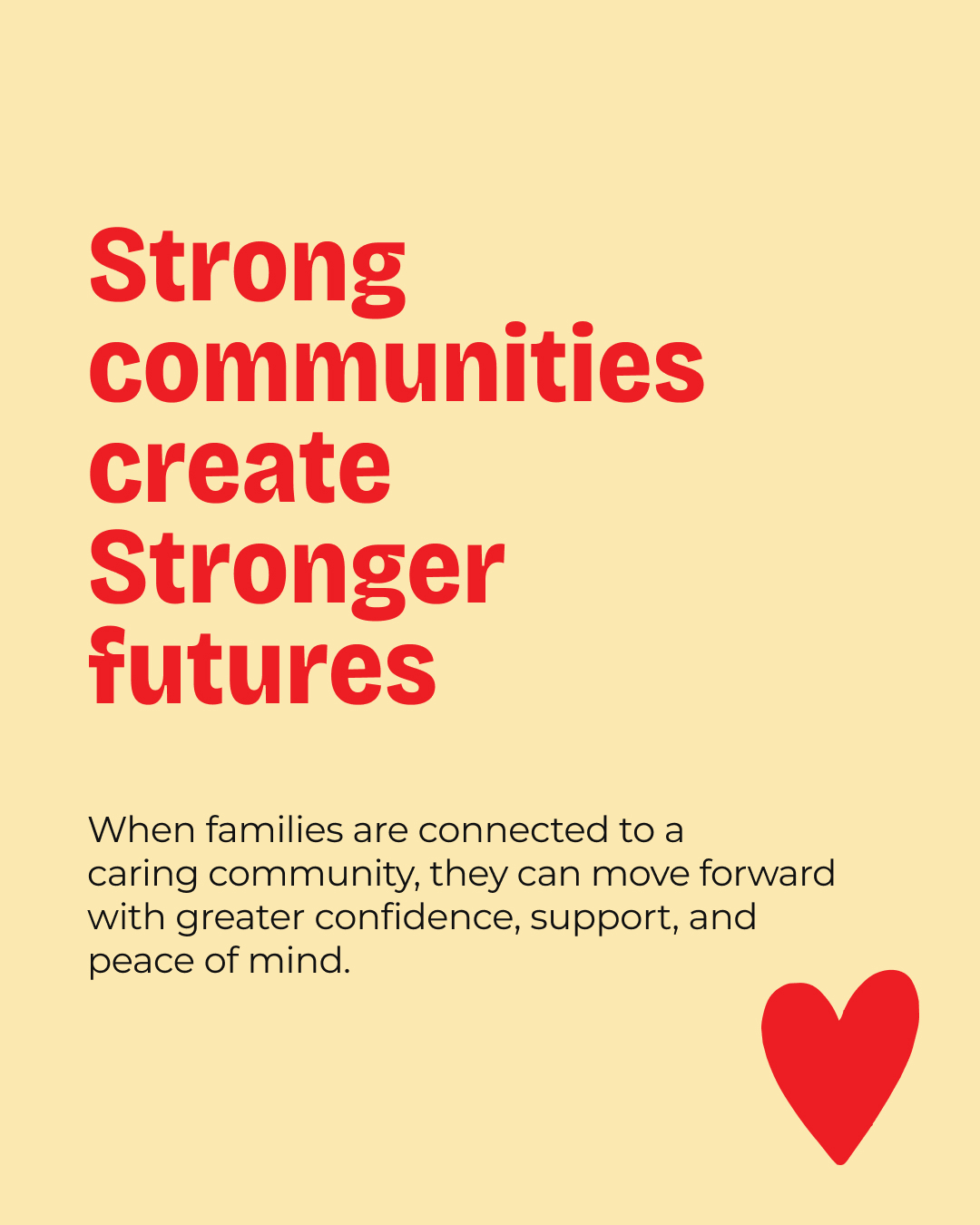 The finished product, created by VFS Digital Design students, outlines PLAN’s identity, mission, services, and more.
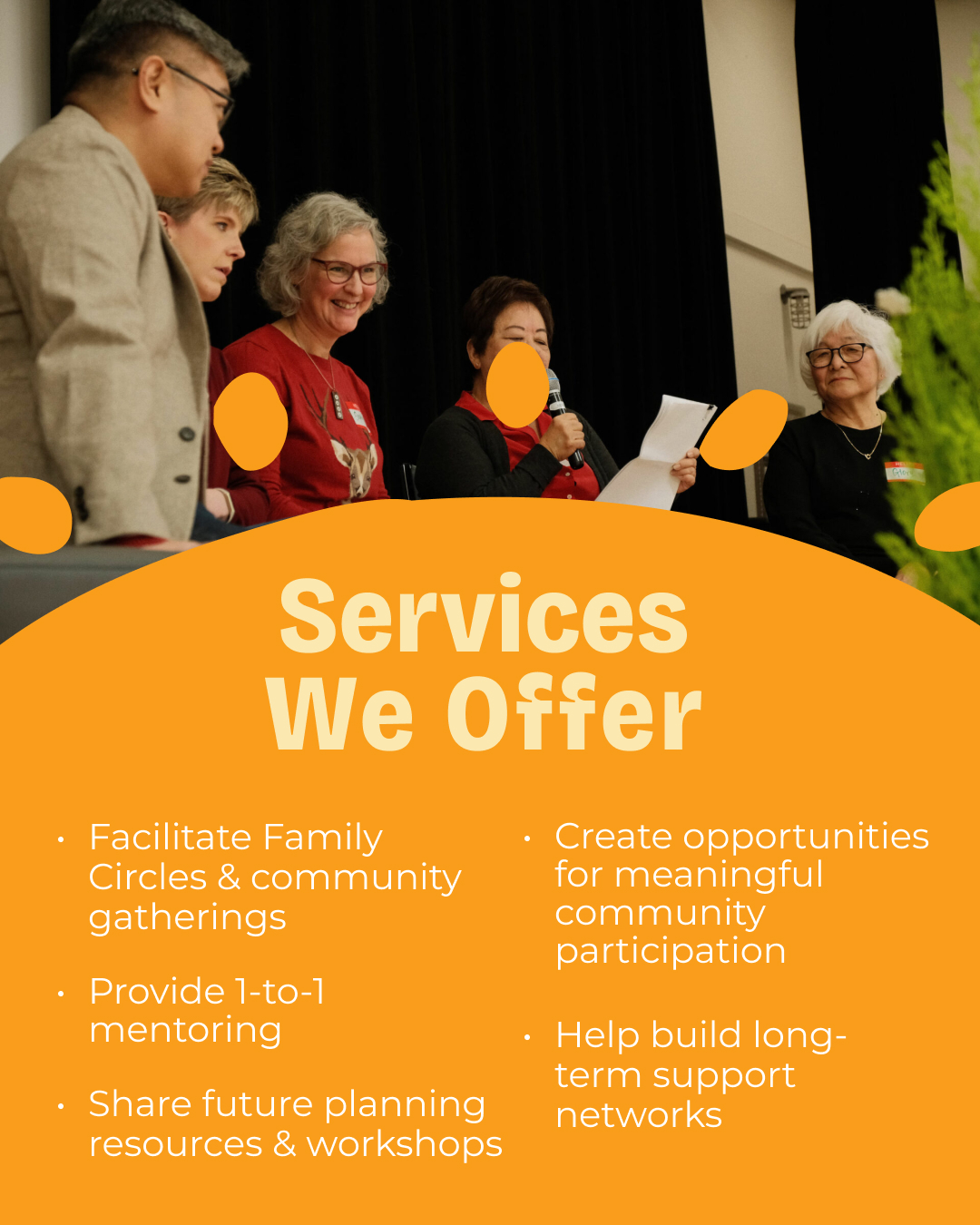 The finished product, created by VFS Digital Design students, outlines PLAN’s identity, mission, services, and more.
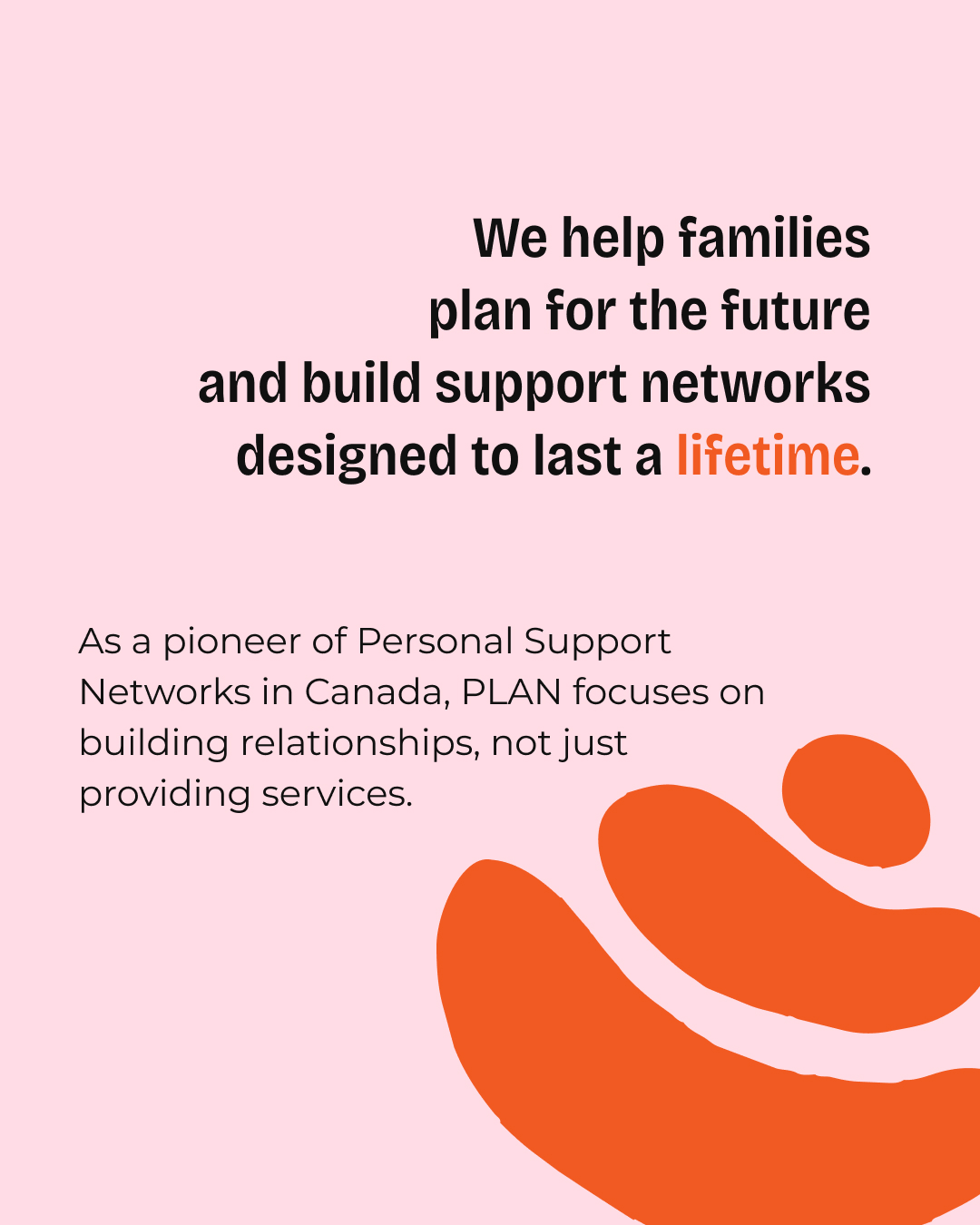 The finished product, created by VFS Digital Design students, outlines PLAN’s identity, mission, services, and more.
 The finished product, created by VFS Digital Design students, outlines PLAN’s identity, mission, services, and more.
Graphic Designer vs. UX, UI, Brand, Motion and Illustration
Design disciplines overlap, which is why job titles can become confusing. Instead of trying to separate them with rigid definitions, ask what main problem sits at the centre of the work.
| Role | Main question |
|---|---|
| Graphic Designer | How should this message or information be communicated visually? |
| Brand Designer | How should an organization build and maintain a recognizable visual identity? |
| UI Designer | How should an interface visually communicate information, controls and states? |
| UX Designer | How should the overall product experience work for its users? |
| Motion Designer | How should visual communication develop through movement and time? |
| Illustrator | What original imagery should communicate the idea? |
| Art Director | What larger visual direction should guide the project or creative team? |
Those boundaries are not absolute. A graphic designer may create branded assets for a digital product. A motion designer still relies on typography, hierarchy and composition. Brand designers frequently produce graphic assets.
That's why someone choosing a career path should look at what the job actually asks them to do, not just its title. If you are primarily interested in user behaviour and product journeys, UX may deserve a closer look. If interfaces and interactions interest you most, explore UI or product design.
If you want typography, imagery and visual systems to evolve over time, motion design may be closer to your interests. If you're drawn to campaigns, identities, layouts and visual communication across different formats, graphic or brand design may be a better starting point.
You do not necessarily need to choose immediately. Early projects can help reveal which kinds of design problems you most enjoy solving.
What Graphic Design Skills Matter Most?
A long list of skills is not very useful unless you understand where each skill appears in the work.
To understand the problem
Graphic designers use:
- Communication
- Research
- Audience awareness
- Problem framing
You need enough context to know what you are designing and why.
To develop the visual solution
You use:
- Typography
- Hierarchy
- Composition
- Layout
- Colour
- Imagery
- Concept development
These are the foundations behind the visible work.
To improve the design
You need:
- Self-critique
- Attention to detail
- Feedback skills
- Iteration.
A designer who can make a promising first version but cannot improve it after critique has only part of the skill set.
To finish the work
You need:
- Production knowledge
- Organization
- File preparation
- Deadline management
That final stage is easy to underestimate when you're learning through individual exercises.
To work with other people
Graphic designers frequently operate in multidisciplinary environments and may coordinate with clients, marketers, photographers, illustrators, developers and other creative professionals. Job Bank explicitly includes client consultation, production coordination and multidisciplinary work within the occupation.
Being able to explain your choices is therefore part of professional design skill.
What Software Do Graphic Designers Use?
The software depends on the project. Common tools include:
- Adobe Illustrator for vector artwork and identity assets.
- Adobe Photoshop for raster imagery, photo editing and compositing.
- Adobe InDesign for publication and multi-page layout work.
- Figma for collaborative digital and interface-oriented design.
- Adobe After Effects when motion becomes part of the work.
The more useful question is not: How many design programs do I know?
It is: Can I choose the right tool and use it to take an idea to a finished professional output?
VFS's current Digital Design curriculum includes Figma, Photoshop, Illustrator and After Effects alongside Cinema 4D, HTML/CSS and other tools used in interactive and motion-design workflows.
What Should a Graphic Design Portfolio Actually Prove?
A graphic design portfolio should do more than prove: I can make attractive images. Someone reviewing it is trying to understand what kind of design work they could trust you to handle.
A strong project should make several things clear.
What was the brief?
What problem were you solving?
Who was the audience?
Who needed to understand or respond to the design?
What constraints existed?
Was there an existing brand? Specific formats? A deadline? Production limitations?
What was your contribution?
This becomes especially important in collaborative projects. If five people worked on something, a reviewer needs to know what belongs to you.
What did you explore?
Early sketches, mood boards and rejected directions can reveal how a concept developed. You do not need to show everything. Show the exploration that helps explain the final decision.
Why did you make those decisions?
Explain important choices involving:
- Typography
- Hierarchy
- Imagery
- Layout
- Colour
- Visual system
What changed after feedback?
Showing revision can reveal something a finished image cannot: How you respond when the first solution isn't good enough.
Can the idea survive more than one mockup?
If you are presenting a brand or campaign, show how the visual system behaves across relevant applications.
What was the final result?
Process is important, but it is not an excuse for weak execution. The final design still needs to demonstrate craft.
VFS currently requires Digital Design portfolio applicants to submit 3–5 samples of original visual or digital work with a short description of each piece, and applicants are asked to identify their role when submitting collaborative work.
That last principle applies well beyond an admissions portfolio: Make your contribution understandable.
How Do You Get Graphic Design Experience Before Your First Job?
This creates an obvious problem for beginners:
Employers want experience, but you need someone to give you an opportunity before you can get professional experience.
You can start reducing that gap before someone gives you the title “graphic designer.”
Start with realistic briefs
An isolated exercise might be: Design a coffee-shop logo.
A stronger portfolio project creates actual constraints: Create an identity for a neighbourhood café targeting commuters. The system must work on takeaway packaging, storefront signage and a social promotion.
Now you have to make decisions about:
- Audience
- Hierarchy
- Consistency
- Format
- Application
It behaves more like a design problem.
Introduce another person
Collaboration makes projects less predictable.
That could mean working with:
- Another student
- A student filmmaker
- A club
- A community organization
- Another creative discipline
Someone else can introduce requirements, feedback and limitations you would not have invented yourself.
Document your role
When the project is finished, record:
the brief → what you owned → important decisions → major revision → final result
Now the experience can become portfolio evidence.
Apply before the portfolio feels “finished”
Your first portfolio is not supposed to look like the portfolio of someone who has worked in design for ten years. Its job is to make your current ability clear enough that someone can imagine trusting you with the next level of work.
Do You Need a Degree to Become a Graphic Designer?
You can learn substantial parts of graphic design independently. Typography, composition, colour, software and design theory can all be practised through books, courses, tutorials and self-directed projects.
That does not mean formal qualifications are irrelevant.
Canada's Job Bank currently lists a university degree in visual arts with a graphic-design-related specialization or a college diploma in graphic arts among the typical employment requirements for NOC 52120. It also identifies creative ability demonstrated through a portfolio as a requirement.
So the more practical question is:
What do you need your learning path to give you?
Independent learning can offer:
- Flexibility
- Control over pace
- Lower cost
- The ability to focus quickly on a particular skill
Structured design training can make it easier to get repeated exposure to:
- Expert critique
- Deadlines
- Production standards
- Client-style briefs
- Collaborative projects
- Presentations
- Portfolio development
- Professional feedback
A credential by itself does not solve the portfolio problem. You still need to show what you can do.
What Is Working as a Graphic Designer Actually Like?
Graphic designers work in advertising and design firms, internal communications or marketing departments, multimedia organizations and other creative environments. Some are self-employed. The working day is not necessarily eight uninterrupted hours of creating layouts.
Projects can include:
- Meetings
- Research
- Concept development
- Presentations
- Production
- Revisions
- File preparation
- Collaboration
- Overlapping deadlines
The amount of each changes significantly depending on whether you work in an agency, inside one company or independently.
Agency
You may move between several clients, brands and types of project.
In-house
You may develop deeper familiarity with one organization and maintain its visual communication across many touchpoints.
Freelance
You gain more control over your projects but also take responsibility for things such as finding clients, managing scope and operating the business.
There is no single version of “a day in the life of a graphic designer.”
How Is AI Changing Graphic Design?
AI is already affecting creative-production workflows, but “Will AI replace graphic designers?” is too broad to answer meaningfully with a simple yes or no.
Canada's Job Bank currently identifies AI for creative support, alongside 3D/motion design and data visualization, among trends influencing the occupation in British Columbia.
AI tools may reduce the time required for activities such as:
- Generating visual variations
- Image manipulation
- Exploring directions
- Adapting assets
- Repetitive production
But producing more options creates another problem: Which option should actually be used?
Someone still has to determine whether the result:
- Answers the brief
- Fits the audience
- Maintains the visual system
- Communicates clearly
- Works in production
- Should survive the next round of critique
So the useful skill is not pretending AI does not exist. It is learning how emerging tools fit inside a design process without replacing the ability to judge the design itself.
VFS currently incorporates AI-supported tools within its Digital Design curriculum while continuing to teach design fundamentals, communication design, UX/UI, motion, branding, critique and production workflows.
Graphic Designer Salary in Canada
Canada's Job Bank currently reports the following hourly wage ranges for graphic designers and illustrators under NOC 52120:
| Location | Low | Median | High |
|---|---|---|---|
| Canada | C$20.00 | C$31.25 | C$52.88 |
| British Columbia | C$24.04 | C$35.00 | C$57.69 |
| Lower Mainland–Southwest | C$25.60 | C$36.00 | C$57.69 |
The published figures were updated November 19, 2025 and use 2023–2024 Labour Force Survey data for these locations.
These are occupational benchmarks, not guaranteed starting salaries. Actual compensation can vary with experience, responsibilities, employer, specialization and other factors.
Is Graphic Design the Right Design Career for You?
Instead of taking another personality quiz, try a small version of the actual work.
Give yourself this brief: Design a campaign for a campus event aimed at first-time attendees. It needs one hallway poster and one phone-sized social asset. Someone should be able to understand what the event is, when it happens and what they should do next within a few seconds.
Then notice which parts hold your attention. Do you enjoy deciding which information comes first? Working with typography? Building a visual system? Finding a concept? Solving layout constraints? Explaining your decisions? Revising the design after someone points out a problem?
If the project becomes more interesting as the constraints become harder, graphic design may be worth exploring further. If the part you keep wanting to work on is interaction, user behaviour or animation, an adjacent discipline such as UX/UI or motion design may be a better direction.
From Graphic Design to Digital Design at VFS
Vancouver Film School's Digital Design diploma program is broader than a traditional graphic-design program.
The current program is a 12-month, full-time diploma in Vancouver covering design fundamentals alongside branding, communication design, creative/art direction, UX/UI and motion. After the first two terms, students specialize in Interactive (UX/UI) Design or Motion Design.
Students also work on a team-based campaign for a real client and later develop an industry-mentored graduate project. VFS describes its portfolio-development process as an agency-style progression through brief, concept, production, critique, iteration and polish.
That makes Digital Design particularly relevant if you're interested in graphic-design fundamentals but want to explore how those skills extend into interactive experiences, motion and broader digital creative work.
FAQs
Do graphic designers need to know how to draw?
Advanced drawing ability is not necessary for every graphic-design role. Drawing can be useful for ideation or illustration-heavy work, but typography, composition, hierarchy, concept development and production skills can all matter independently.
Can you become a graphic designer without a degree?
People can develop graphic-design skills independently, but formal qualifications may still appear in employment requirements. Canada's Job Bank currently lists relevant university or college design education and a portfolio demonstrating creative ability among the typical requirements for NOC 52120.
Is graphic design hard to learn?
Learning the controls of design software is only one part of the process. Developing typography, visual judgment, concept development, critique skills and the ability to solve increasingly constrained communication problems generally requires much more sustained practice.